Parasites are nothing new to mankind. In fact, we have been coexisting with parasites since the dawn of existence. But just like any other creature on Earth, humans are also susceptible to their internal invasion.
Humans acquire parasites through food, water, soil, contaminated surfaces and even our pets, and they affect carnivores, omnivores and vegans alike. Nobody is excluded, not even children. Some of these parasites can live in our bodies for many years without ever doing harm, as where others can be extremely problematic from the start.
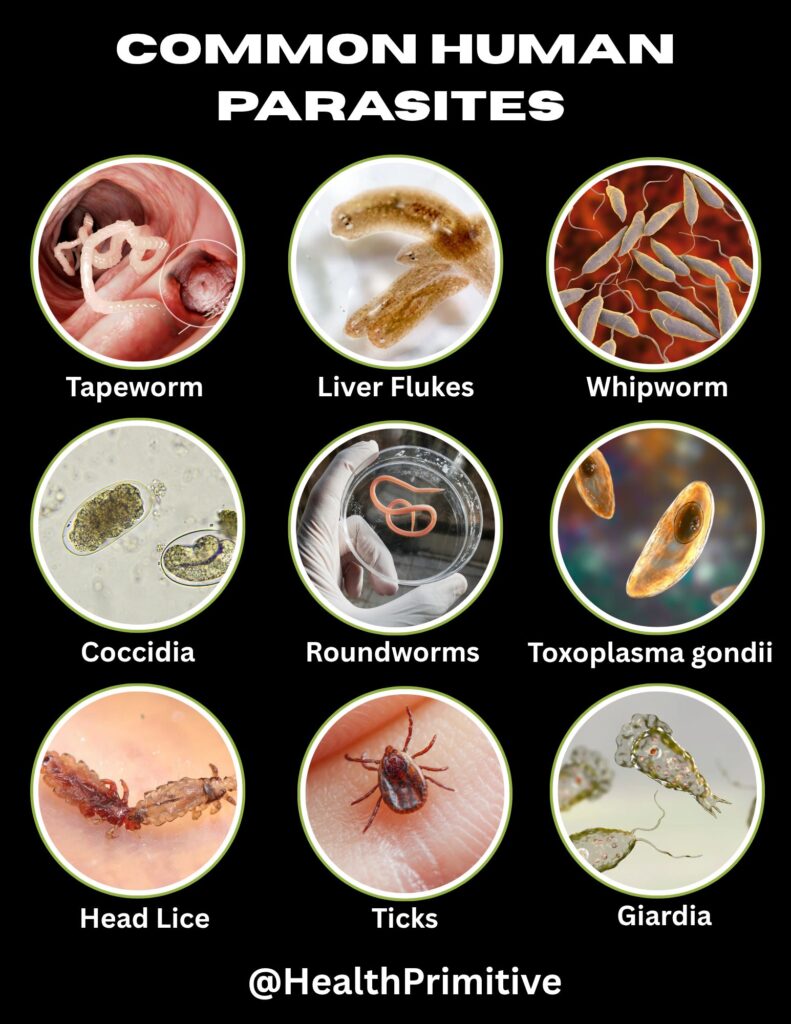
Common Human Parasites
Pinworms (Enterobius vermicularis): Tiny, whitish worms causing itchy, common infections.
Hookworms (Ancylostoma duodenale/Necator americanus): Larvae in soil penetrate skin; live in small intestine.
Tapeworms (Taenia saginata/solium): Acquired from undercooked beef or pork.
Giardia (Giardia duodenalis/intestinalis): Protozoa causing diarrhea, often from contaminated water.
Cryptosporidium: Causes diarrhea, highly resistant to chlorine.
Whipworm (Trichuris trichiura): Soil-transmitted roundworm.
Ascariasis (Ascaris lumbricoides): Large roundworm, often found in tropical/subtropical regions.
Liver Flukes: Parasitic flatworms inhabiting the bile duct.
Toxoplasma gondii: Protozoa often transmitted via cat feces or undercooked meat.
Common Symptoms of Parasitic Infections in Children
Digestive Issues: Frequent stomach aches, diarrhea, nausea, vomiting, or a bloated stomach.
Anal/Genital Irritation: Intense itching around the anus or vagina, which usually worsens at night.
Behavioral Changes: Irritability, restlessness, and trouble sleeping.
Bedwetting: (Pinworms can irritate the urethra — the tube through which pee leaves the body — and lead to bedwetting.)
Physical Changes: Unexplained weight loss, decreased appetite, pale skin, or dark circles under the eyes.
Skin Issues: Rashes, hives, eczema, psoriasis, etc. can be a sign of intestinal parasitic infection.
Poor Sleep: Stomach discomfort and itching at night can make it difficult for children to sleep well and make them more irritable than usual.
Teeth grinding (bruxism): The toxins released by the intestinal parasites can lead to anxiety. These toxins interact with your neurotransmitters leading to mood swings, nervousness, and grinding of the teeth at night.
Where do Children get Parasites?
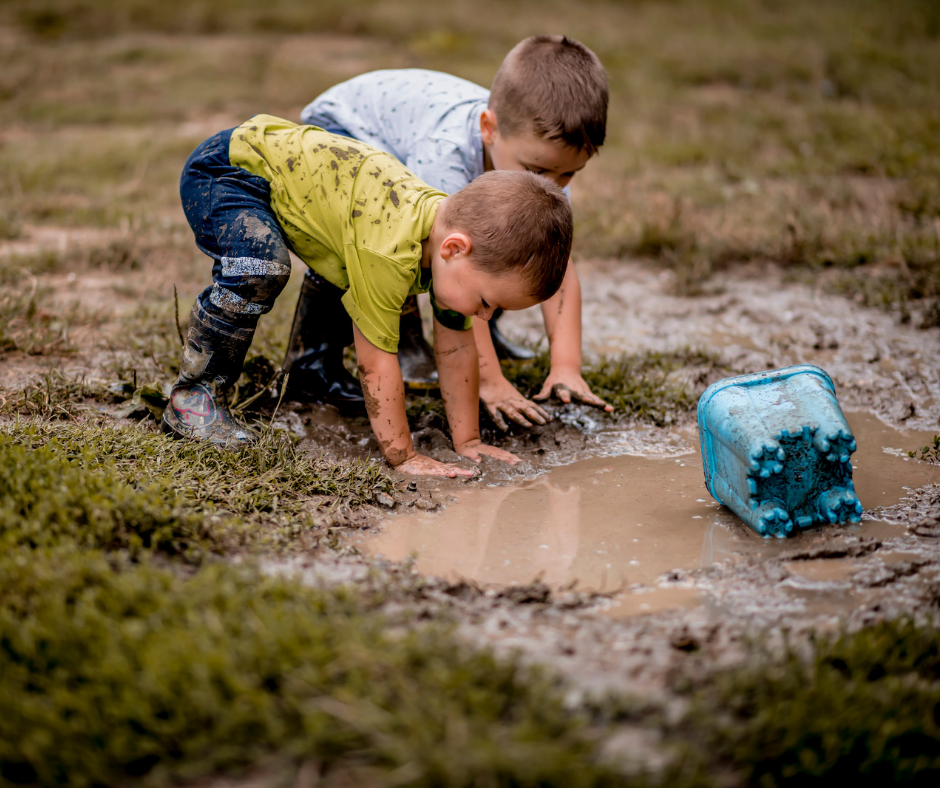
Children can become infected with parasites through simple everyday habits. Transmission generally occurs through soil, food, water, pets or contact with an infected person or surface. Here are some common causes of parasitic infections.
Not maintaining hand hygiene before eating:
Worm eggs can stick to hands after playing or handling dirty objects. If children eat without washing their hands with soap, these eggs can be swallowed and hatch in the intestines.
Often plays on the ground barefoot:
Certain types of parasits, such as hookworms, can even penetrate the skin through the soles of the feet. Children who play in the dirt without sandals are more susceptible to infection.
Consuming raw or undercooked food:
Parasites can survive in undercooked food, especially vegetables or meat. When consumed, eggs or larvae can enter a child’s digestive system.
Not washing fruit and vegetables properly:
Fruit or vegetables that still contain soil or dirty water can carry parasite eggs. Washing them under running water is essential before eating.
Infected from the environment or peers who are infected: Children who play together in an unclean environment can infect each other, especially if hand hygiene is not maintained.
Pets such as cats and dogs: pets commonly transmit parasites—such as roundworms, hookworms, tapeworms, and Giardia—to humans, often via fecal-to-oral transmission, contaminated soil, or fleas.

Dangers of Parasitic Infections if Not Treated
Left untreated, parasitic infections can lead to various health problems that affect a child’s growth and development. Here are some dangers to watch out for:
Growth disorders due to nutritional deficiencies : Worms absorb nutrients from children’s food, thereby inhibiting their growth and development.
Anemia due to iron loss : Certain types of worms can suck blood in the intestines and cause iron deficiency so that the child looks pale and weak.
Decreased concentration in learning: A weak body due to malnutrition makes children tire easily and have difficulty concentrating at school.
Risk of secondary infection: Itching in the anal area due to worms can trigger repeated scratching which causes wounds and bacterial infections.
Cognitive and Learning Issues: Chronic infections can impair cognitive development, reducing school performance and attendance.
Severe Gastrointestinal Distress: Chronic diarrhea, severe abdominal pain, vomiting, and rectal prolapse.
Severe Complications: Larvae can travel to the lungs, eyes, or brain (toxocariasis), potentially causing seizures or vision loss.
Future Chronic Illness and Disease: As the child ages into adulthood, these dangers increase and have been linked to a wide variety of health ailments including thyroid disorders, autoimmune disorders, liver and gallbladder issues, and even cancers. Sadly many American disorders are linked to parasitic infections.
Parasite Detox Protocol For Children
Now that we have discussed how children acquire parasites and symptoms to look for, we will go over the steps to get rid of them.
Step 1: Open Detox Pathways
Just like with adults, step one starts with opening up the detoxification pathways for at least 2 weeks, if not 30 days, prior to any type of cleanse.
Your body’s natural detoxification pathways include the liver (primary organ), kidneys, gastrointestinal system (gut), skin, lungs, and lymphatic system. These systems work together in three phases—activation, conjugation, and excretion—to neutralize and eliminate environmental and metabolic toxins, turning them into water-soluble compounds that can be flushed out via urine, bile, or sweat.
This foundational step ensures that when parasites die and release toxins, the body can efficiently eliminate them rather than reabsorbing them, which reduces “die-off” symptoms like discomfort, irritability, and constipation.
Recommendations are similar for both adults and children with only a few differences. With adults we can use certain herbs that are a little too potent for tiny bodies. So for children, we recommend the following:
High Fiber Foods: Provide plenty of fruits and vegetables to ensure daily, regular bowel movements, which are crucial for eliminating waste.
Cruciferous Vegetables: Broccoli, cauliflower, and cabbage support liver detoxification enzymes.
Probiotics: Encourage healthy gut flora through yogurt or fermented foods.
Increase Fluid Intake: Hydration is essential for kidney function, allowing them to filter and expel toxins through urine.
Deep Breathing: Encourage outdoor activity to ensure proper oxygen flow, which helps the lungs remove contaminants.
Active Play: Encourage outdoor, active play to induce sweating, which helps eliminate toxins.
Trampoline: having your child jump on a trampoline is a great way to drain stagnant lymph. The lymphatic system runs alongside the circulatory system, removing waste and toxins. Unlike blood, which is pumped by the heart, lymph requires movement to circulate.

Step 2: Start the Antiparasitic
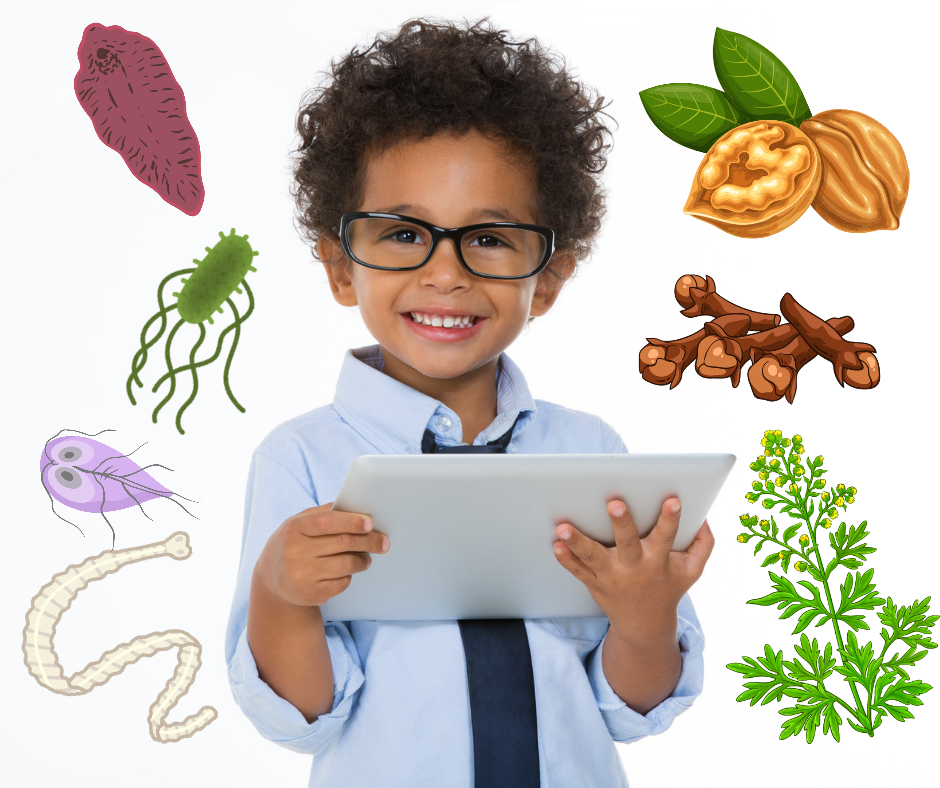
There are many different natural remedies that are used as antiparasitics, but typically most products contain the time-trusted trio of herbs which includes black walnut hulls, wormwood and cloves. These herbs are effective against almost all human parasites and their egg/larvae cycles, making them the best choice for both adults and children.
Typically, these herbs are combined with vegetable glycerin to make a gentle extract that is safe for young children. Depending on what product you are using, the dosages should be on the bottle. Our Children’s Para—Cleanse is dosed by weight.
It is always recommended to start your antiparasitic remedy on or a day before the full moon. Although this may sound like woowoo nonsense, there is biological logic behind it. Lunar cycles affect many different biological functions such as migration patterns, mating seasons, animal behavior, and even our oceans waves. It is not rocket science that these cycles would also affect parasites, and many pathologists have documented witnessing parasitic eggs hatching during full moons.
Starting on a full moon ensures that the remedy will be consumed during two egg hatching cycles, starting on the full moon and finishing on the following one.
Most parasitic remedies are taken for duration of 20-30 days, and this is what we recommend if you are using our Para-Cleanse. Otherwise, follow the recommendations on the product you’re using.
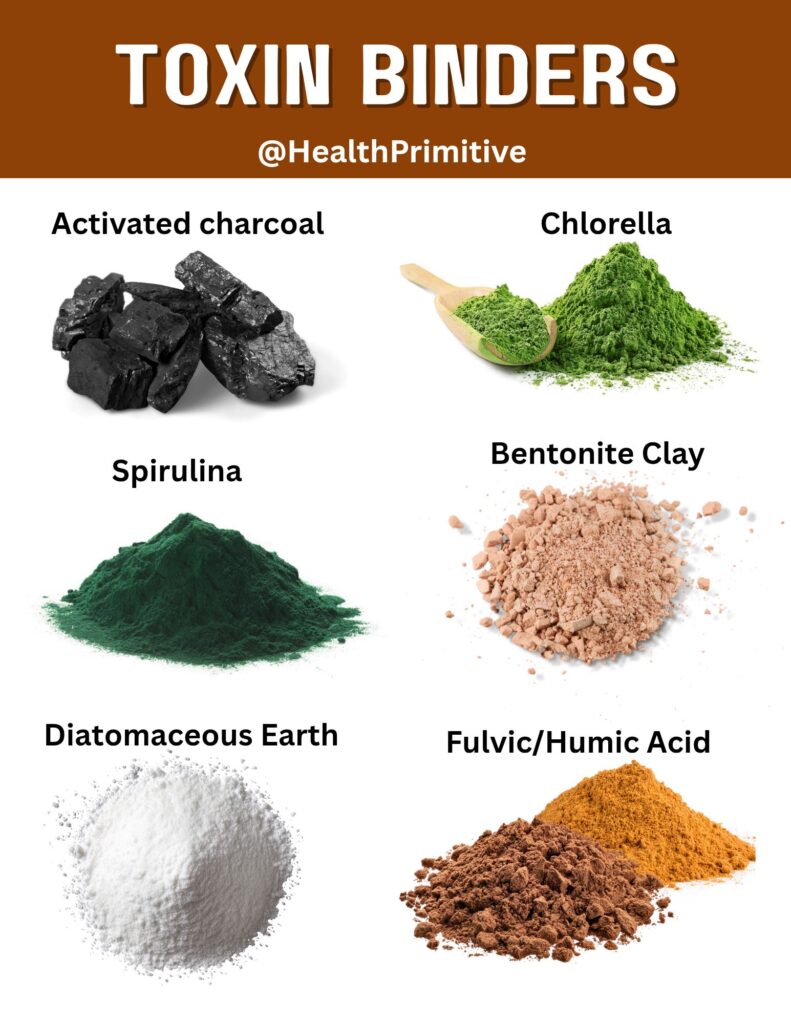
Binders
During the time that your child is taking the antiparasitic cleanse, a binder should also be used. These substances play a role in binding up the toxins, noxious gases and heavy metals parasites release during what is called the die-off process. It will also help to control the uncomfortable symptoms your child may experience.
There are lots of binders on the market to choose from, but our top recommendation is going to be Fulvic Humic Acid. This works systemically in the body similar to parasites and heavy metals, meaning it has the ability to reach all systems and all tissues, including the brain. Fulvic Humic Acid also does not interfere with mineral and nutrient absorption and to actually provides 70+ trace minerals necessary for human health, many of which we are missing from our diet.
Alternatively, herbs such as spirulina and chlorella can both be used as binding substances. Both come in powdered form that can be easily mixed into foods, drinks and smoothies. Activated charcoal is another popular binder for children that can safely be used, and can be purchased in gummy form making it more appetizing to children.
DO NOT GIVE YOUR CHILD ZEOLITE
Many parents have been led to believe that zeolite is an excellent binder for their child, but this is far from true. Zeolite can severely constipate you because it pulls water from the intestines. This can not only dehydrate you, it can also cause hard stools and constipation as well as pebble-like substances in the stool. Above this, many zeolite substances on the market today are contaminated with heavy metals, the same heavy metals we are trying to remove by using it. Stick with fulvic acid as the binder, and don’t even bother with the zeolite.
Die-Off Symptoms
As I said above, a binder is used to control the die-off symptoms but sometimes even when used, children can still experience some of these side effects. Here is a list of die-off symptoms to look for:
“Flu-like” Symptoms: Low-grade fever, headaches, and body aches.
Digestive Distress: Increased diarrhea, nausea, vomiting, abdominal cramps, or bloating.
Skin Irritation: Intensified itching, rashes, or skin peeling as the body detoxifies.
Fatigue & Behavioral Changes: Unusual tiredness, lethargy, or increased irritability.
Worsening Initial Symptoms: Symptoms of the infection (like itching around the anus) may temporarily increase before improving.
Additional Remedies
Additional remedies you can give alongside your main antiparasitic include: diatomaceous earth (DE), black seed oil and papaya seeds. These are also great alternatives for children who suffer from nut allergies and cannot consume black walnut.
Diatomaceous earth is a natural, soft siliceous white powder, composed of fossilized remains of tiny aquatic organisms called diatoms. Used primarily as an organic, non-toxic insecticide and antiparasitic, it works by scratching (destroying) the exoskeleton of insects, leading to dehydration. And because of this scratching or cutting action, it’s one of the best substances to use for tapeworms which are regenerative.
Start with 1/4 to 1/2 tsp. depending on the child’s weight. You can gradually increase the dose up to 1-2 teaspoons throughout the cleanse. Mix well into something such as yogurt, applesauce or a smoothie and have them consume once daily for 2 weeks on 2 weeks off during the detox. I should note that DE can interfere with mineral and nutrient absorption so monitor your child closely so you can either increase or decrease their dose as needed.
It’s important to remember that DE can irritate the lungs and eyes, so you must be careful handling it. Do not allow a young child to do this by themselves. Use with caution.
Black seed oil contains the compound thymoquinone and works by damaging parasites, improving immune response, reducing oxidative stress, and supporting gut health. Typically it’s recommended for children 4-5 years old and over and can be mixed in a beverage, salad dressing, sauce, etc.
4-5 years old: 1/4 teaspoon
6-9 years old: 1/2 teaspoon
10-13 years old: 1 teaspoon
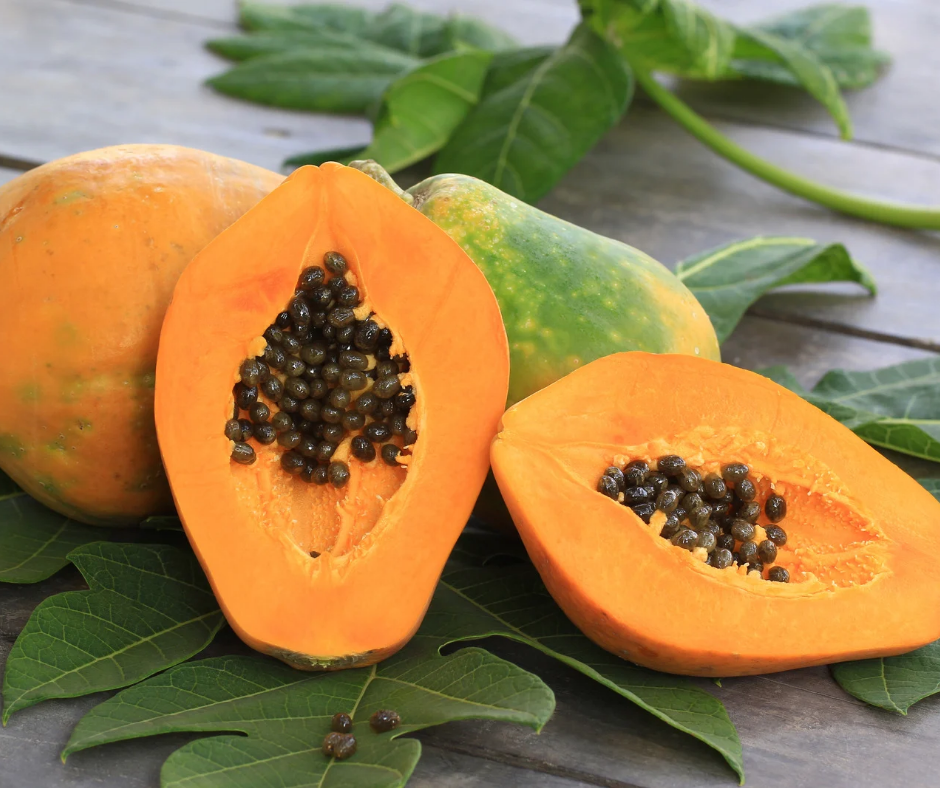
Papaya seeds are another great natural antiparasitic that can be used for children. In fact, a 2007 study on 60 Nigerian children showed that 76.7% of those treated with a dried papaya seed and honey elixir cleared their stools of parasites, compared to 16.7% in the placebo group. The seeds contain bioactive compounds like benzyl isothiocyanate, which has anthelmintic (worm-killing) properties.
Papaya seeds can be consumed whole by the spoon full, straight from the fruit, and many people believe this is the best way to take them because they act as a magnet in the gut. But science has shown crushed or ground papaya seeds are generally more effective for treating parasites because breaking the outer shell releases the active compound, benzyl isothiocyanate, allowing better absorption in the digestive tract.
Make an extract using the dried and crushed papaya seeds, then dose by weight, once daily for 30 days. You can find more information and step by step instructions here. Alternatively, you could sprinkle a little bit of dried papaya seeds on some yogurt or applesauce, once daily.
During the cleanse, it’s important to have your child consume a nutritious diet—lots of fruits and vegetables, lean meats and probiotic rich foods like yogurt. Avoid processed, starchy and sugary foods which will continue to feed the parasitic infection.
Two years old is the recommended age to start regular deworming, every 1-2 years. Once your child is around age 14, they can follow the adult protocol. If you feel that your child’s infection is severe, you can have them complete a 30-day cleanse, stop for several weeks, then perform another one.

Should My Child Detox Heavy Metals First?
Toxic heavy metals have become increasingly prevalent within our environment. They are in our food, water, medications and even the air we breathe. And just like with parasites, the only way to remove them is to detoxify your body.
Some practitioners recommend doing a heavy metal detox prior to a parasite cleanse for 2 reasons:
The first reason is that it is believed that parasites encase themselves in a biofilm containing heavy metals, that must be destroyed first in order to reach the parasites. And although this is true, many might not be aware that black walnut extract has actually proven to penetrate biofilm with ease. This means, using black walnut for a parasite cleanse, doubles as a biofilm destroyer. (Source)
The second reason, is to first remove the source of heavy metals that the parasites are bioaccumulating. Many believe they are thriving within these metallic environments, and although this theory sounds great, it’s actually quite counterproductive.
See, when parasites die they release noxious gases and heavy metals back into the body. These toxins produce what is referred to as die off symptoms, which are uncomfortable symptoms such as nausea, indigestion, itching, etc. During this time, it is recommended to use a binder to bind up these toxins and remove them from the body. Unfortunately, The toxin overload is hard for many binders to keep up with and this means there will be residual metals left in the body from what the parasites released and the binder didn’t bind. In simpler terms, if you have your child do a metal detox prior to a parasite cleanse, you should have them also do one after and this can be extremely hard on the body.
This is why here at HealthPrimitive, we recommend performing a heavy metal detox after your parasite cleanse. This is the only way to ensure that all heavy metals have been removed from the body. To learn more about how to properly detoxify your child of heavy metals, click here.
Safety Considerations
Always do your own research so that you can make the best informed decision for you and your child’s health.
Black walnut and wormwood should not be taken long-term. If the child has liver or kidney issues, or a nut allergy, do not use. Wormwood is not safe for those with epilepsy. If your child has prior health concerns or takes medication, it’s best to do your own research or speak to their pediatrician before performing any type of detox or cleanse. Note that this article is not giving medical advice but rather sharing information for educational purposes only. View our disclaimer here.

Final Thought
Parasites are simply a fact of life and every human will have to deal with them at some point or another. Being afraid and trying to avoid them is not the answer, but educating and detoxing ourselves is.
The amount of parasitic infections in our country is currently what’s alarming and sadly Western medicine continues to ignore this issue. In these circumstances, sometimes taking matters into our own hands is the only choice we have. Periodically deworming ourselves, our children and our pets is a great place to start.
Stay Wild